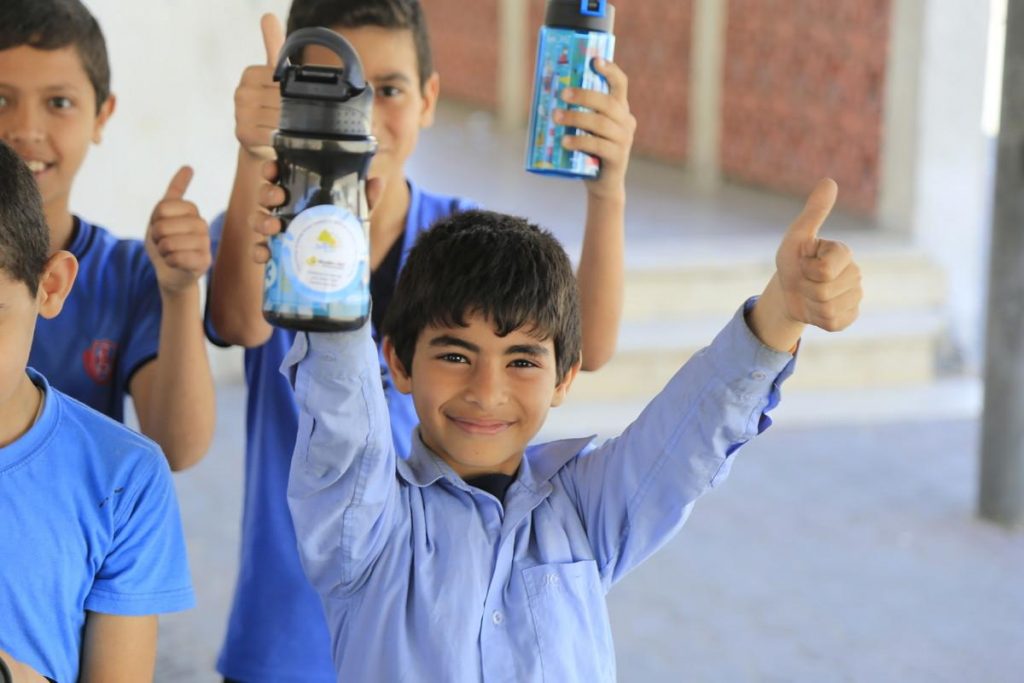
This year we will be distributing food parcels in Gaza and Bangladesh. People in Gaza are suffering beyond comprehension and in Bangladesh there are over 40 million people living in poverty. We will be targeting families who live in rural areas where access to support is difficult.
By providing food packs and Iftar Meals, you will be alleviating hardships of those families during the blessed month of Ramadan.
Fresh produce or rice, flour, oil, lentils, beans, dates, tea, essentials (designed for 1 family of 5-7 people)
Iftar Meal – (hot, ready to eat), hot main dish and bread, dates, water/juice (served to displaced families and children in camps/shelters.
8kg Rice, 1L Oil, 1kg sugar, 4kg potato, 2kg flour, 2kg onion, 1kg milk powder, 1kg dates, 2kg chickpeas.
Give in confidence. We ensure every penny you donate goes to the recipient. We cover our administrative and operational costs via Gift Aid, Sponsors and specific donations towards these costs.
You can give your zakat towards this campaign. We take every measure to ensure the recipients of your donations qualify for zakat.
Support vulnerable families in Gaza and Bangladesh with essential food parcels throughout the blessed month and share in the immense rewards and mercy that Ramadan brings.
In summary, any adult Muslim who is working or earning more than is necessary to fulfil their everyday essential needs is expected to pay a percentage of their wealth as Zakat.
Those who are eligible to pay Zakat follow the teachings of the Holy Qur’an (Chapter at-Tawbah Tevbe, 60) as:
“As-Sadaqat (Zakat) are only for the Fuqara’ (poor), and Al-Masakin (the needy) and those employed to collect (Zakat funds); and for to attract the hearts of those who have been inclined (towards Islam); and to free the captives; and for those in debt; and for Allah’s Cause (i.e. for Mujahidun – those fighting in the holy wars), and for the wayfarer (a traveller who is cut off from everything); a duty imposed by Allah. And Allah is All-Knowing, All-Wise.”
What is Zakat?
Zakat is the annual payment made by Muslims to support those most in need. It is one of the Five Pillars of Islam and is a key part of the Islamic faith. By donating a percentage of your wealth in order to help those less fortunate than yourself, you can please Allah (SWT) while supporting your brothers and sisters across the world.
Who is Eligible for Zakat?
There are two ways to answer this question – who is eligible to pay Zakat and who is eligible to receive Zakat.
As defined by the Zakat rules, those eligible to pay must be:
What is Nisab?
The term Nisab is defined as the threshold amount that a Muslim’s wealth should total to make them eligible to pay Zakat. There are two values used to calculate the Nisab threshold – gold and silver at the value of 612.36 grams of silver and 87.48 grams of gold. The monetary value is calculated on the current price of gold and silver when working out your Zakat contribution.
When talking about Nisab thresholds, you may also come across the term ‘Hawl’ which is the term used to describe the lunar year, the Islamic year, or 354 days. The payment of Zakat is expected to be made once every Hawl after your wealth has crossed the Nisab threshold and has remained above the threshold for a full Islamic year.
Those eligible to receive assistance from Zakat payments include:
We distribute your Zakat contributions to those in need, see here for how your Zakat donations help.
How Much Zakat Do I Need to Pay?
Zakat is calculated on the following:
Assets and personal wealth must fall above the Nisab threshold in order to be included in the calculation.
What Needs to Be Included in My Zakat Calculation?
Zakat is calculated on your personal assets and held monies, although only on physical goods that do not contribute to comfortable day to day living. For example, you would only calculate Zakat on a second property, not the one you live in. The same with calculating Zakat on a vehicle – it is not due on the first but any additional cars must be included in your calculation.
Your assets are considered a total sum of the following:
Anyone who owns multiple properties should only include the gathered rental income and any profit at the time of sale towards their Zakat calculation.
The following is not considered in the Zakat calculation or are considered your liabilities:
Necessary cookies are absolutely essential for the website to function properly. This category only includes cookies that ensures basic functionalities and security features of the website. These cookies do not store any personal information.
Any cookies that may not be particularly necessary for the website to function and is used specifically to collect user personal data via analytics, ads, other embedded contents are termed as non-necessary cookies. It is mandatory to procure user consent prior to running these cookies on your website.